




The Era of Due Diligence: Searching for Truth in a World That Blurs It
We live in a time when information is abundant, credibility is harder to assess,…
Read Now

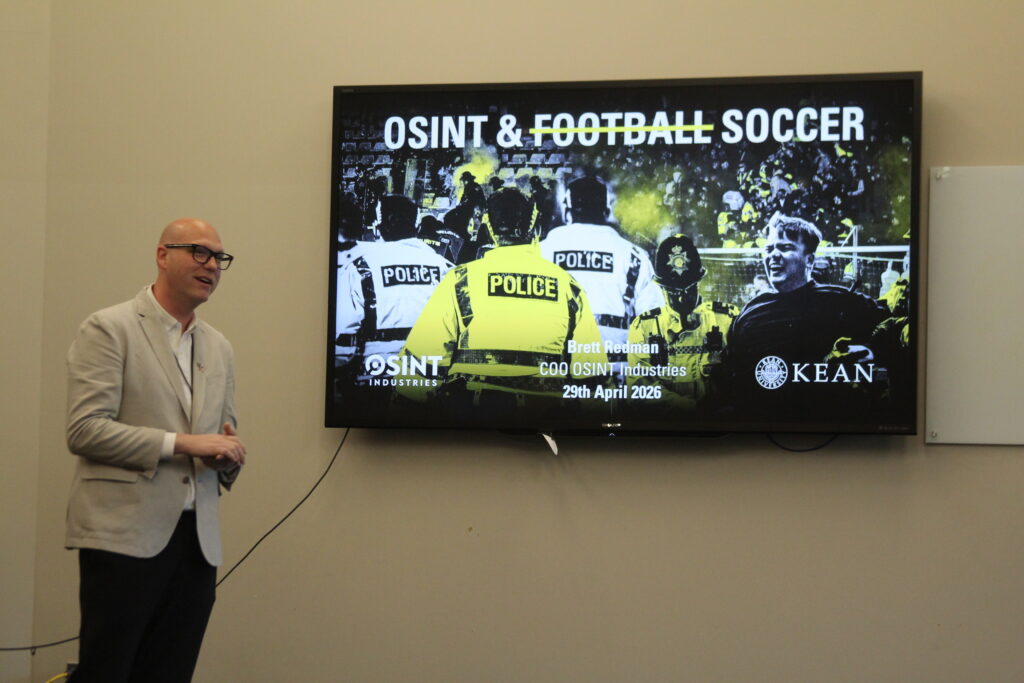
The 2026 FIFA World Cup will bring an incredible amount of energy, tourism, economic activity, and global attention to our region. It will also bring congestion, heightened security operations, cyber concerns, misinformation, transportation disruptions, and the realities that come with hosting one of the largest events in the world.
Most conversations around World Cup security focus on stadiums, law enforcement, and counterterrorism efforts. Those are obviously important. But there is another side of preparedness that deserves attention: practical tactical safety for everyday people.
You do not need to be fearful to be prepared. You just need to think differently than you normally would during a routine week.
Whether you are attending matches, working nearby, commuting through impacted areas, or simply living in the region while millions of visitors arrive, situational awareness matters.
Even if you never step foot near a stadium, your routines may still be affected.
Major international events create ripple effects:
One of the smartest things residents can do is reduce predictability.
If possible:
Families should also discuss basic communication plans. If cellular networks become overloaded in crowded areas, know where and how you would reconnect with loved ones.
This is not about panic. It is about removing friction before problems occur.
Residents should also pay attention to their digital footprint during the event period. Oversharing real-time location information, travel plans, empty homes, or family routines on social media can unintentionally create opportunities for bad actors.
Many modern security risks begin online long before they become real-world incidents.
For those attending matches, preparation starts before you ever leave home.
Large-scale events naturally create environments where confusion, distraction, and urgency can be exploited. Most issues people encounter during major events are not terrorism-related. They are logistical:
Simple preparation dramatically reduces risk.
Before attending:
Inside and outside venues, maintain awareness of exits, crowd flow, and environmental changes.
One overlooked issue during global events is social engineering. Criminals often exploit urgency and confusion. Fake staff credentials, fraudulent parking operations, phishing texts, fake event apps, and impersonation scams tend to spike during major international gatherings.
If something feels off, slow down before reacting.
Another important consideration is online behavior during the event itself. Posting live locations in real time, especially with identifiable landmarks, hotels, or family members visible, creates unnecessary exposure. Sharing experiences is normal, but delayed posting is often the safer choice.
There is an important distinction between being afraid and being operationally aware.
The reality is that modern event security no longer exists only at the gates of a stadium. It includes digital environments, public behavior, transportation systems, online influence, and how quickly information spreads.
The good news is that most safety strategies are simple:
World Cup events should be exciting. They should bring people together. Good preparation helps keep them that way.
As global events continue to grow in scale and complexity, tactical awareness is no longer just for security professionals. It is becoming part of modern public safety for everyone.
Learn more about our involvement with the World Cup here.
We live in a time when information is abundant, credibility is harder to assess,…
Read Now
When you strip away the language and the frameworks, most security failures come down…
Read Now
The operating environment has changed, and the way organizations approach security must continue to…
Read Now
OSINT, Knowledge Ecology, and the Myth of the Quick Fix Open-source intelligence is entering…
Read Now